Otto Schmidt · 30 September 2026
Bumper Crops Inspire Collaborative Ingredient Sourcing Deals Between Growers and Artisan Bakers
Abundant harvests across multiple regions have created new opportunities for direct partnerships between agricultural producers and small-scale baking operations, and these arrangements focus on securing consistent supplies of grains, fruits, and specialty ingredients at negotiated terms. In September 2026, reports from major growing areas indicated elevated yields for wheat, barley, and certain orchard crops, which in turn prompted growers to explore longer-term contracts rather than relying solely on commodity markets.
Understanding the 2026 Harvest Patterns
Data compiled by agricultural monitoring agencies shows that favorable weather conditions throughout the spring and summer contributed to above-average production volumes in both North American and European growing zones. Wheat output in the United States reached levels not seen in several prior seasons according to United States Department of Agriculture records, while similar trends appeared in Canadian prairie provinces where barley and rye harvests exceeded projections. Those figures encouraged producers to seek buyers who could absorb larger quantities without forcing prices into sharp decline.
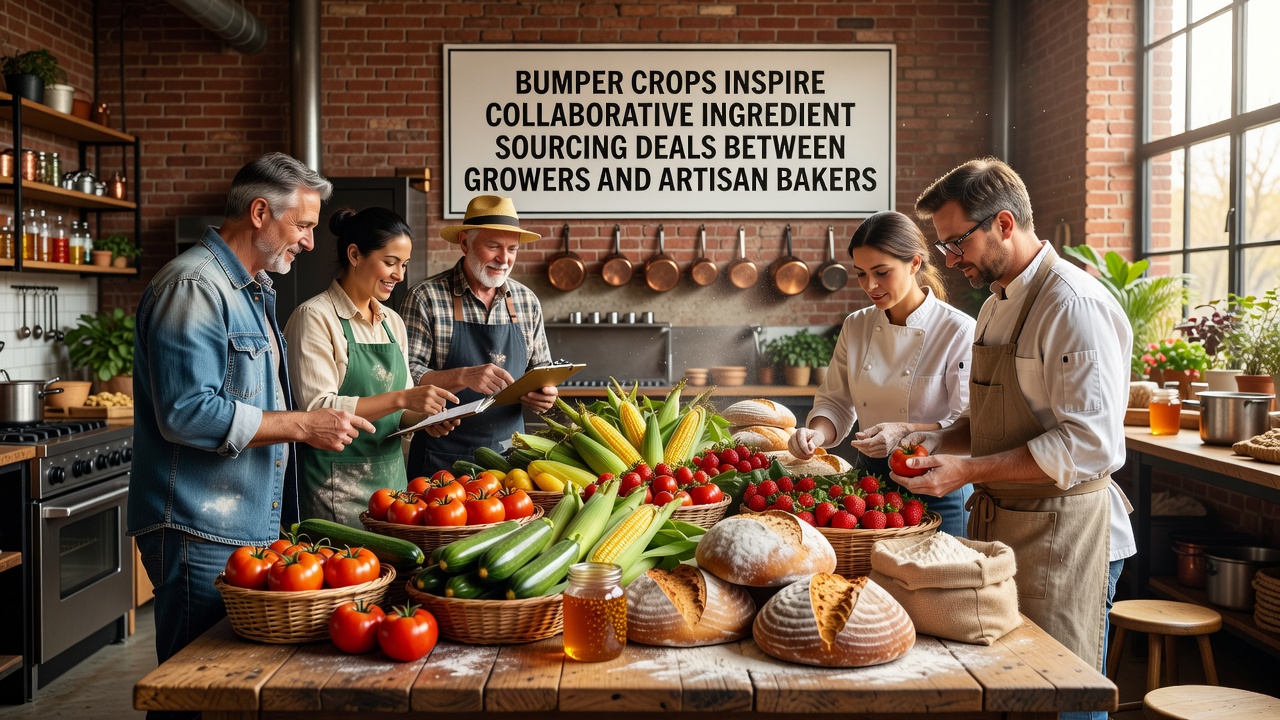
Artisan bakers, who often depend on specific varieties of flour and seasonal produce for their product lines, responded by initiating discussions with nearby farms. These conversations centered on quality specifications, delivery schedules, and volume commitments that allowed both parties to plan ahead. One cooperative in the Midwest organized a series of meetings where growers presented samples of heritage wheat strains alongside standard milling varieties, and several bakeries signed preliminary agreements before the end of the harvest window.
Mechanics of the Emerging Sourcing Agreements
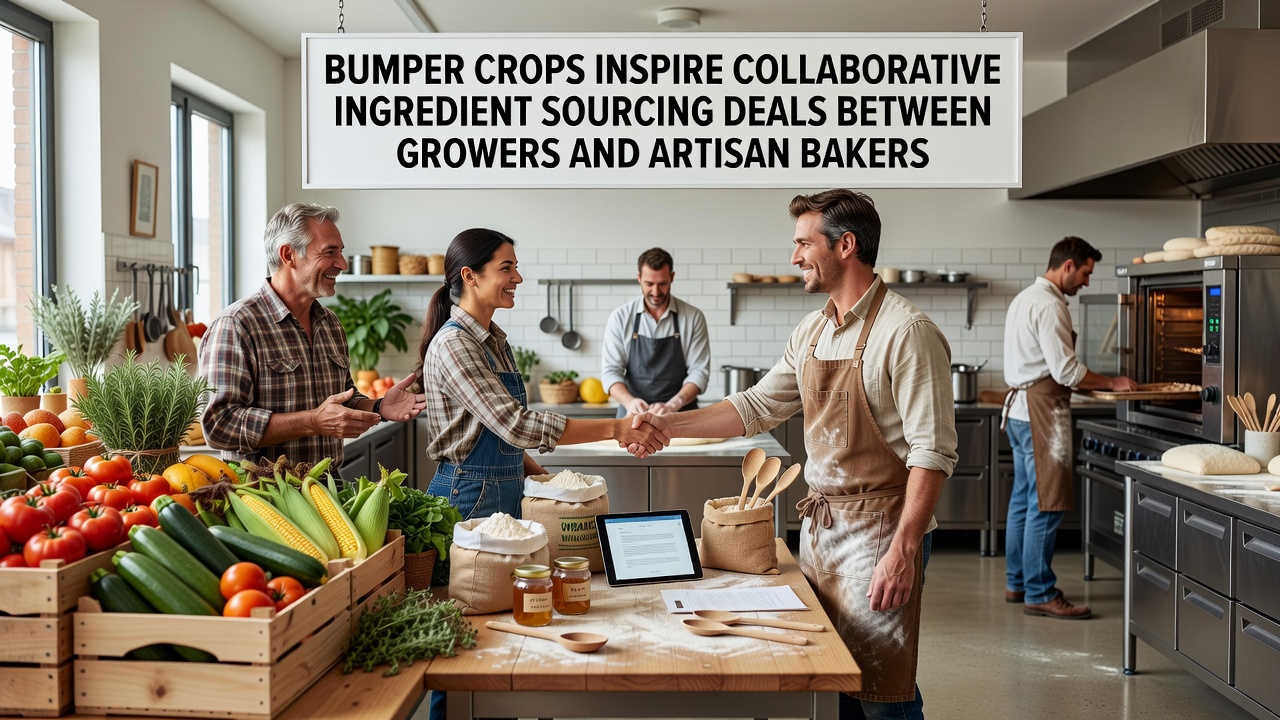
The deals typically combine elements of forward contracting with shared risk provisions, and they differ from traditional spot purchases because they lock in pricing structures that account for the surplus supply. Growers provide documentation on growing practices and storage methods, while bakers outline their milling and usage requirements to ensure the ingredients meet bakery standards. Payment terms often include staged releases tied to delivery milestones, which helps cash flow for both sides during the post-harvest period.
Researchers at several land-grant universities have tracked similar arrangements in past high-yield years, and their analyses indicate that such collaborations reduce transaction costs compared with repeated open-market bidding. In 2026 the pattern repeated on a wider scale because the volume surplus coincided with rising interest among bakers in traceable ingredient sources. Trade groups representing independent bakeries facilitated introductions between members and regional farm networks, and this matchmaking accelerated the formation of multi-year supply relationships.
Regional Examples and Scale of Participation
One documented case involved a cluster of orchards in Washington state that entered volume agreements with a network of Pacific Northwest bakeries for apple and stone-fruit deliveries slated for late September through November processing runs. The contracts specified exact ripeness windows and handling protocols to preserve quality during transport. Meanwhile, prairie grain growers in Canada formed consortia that offered blended flour contracts to bakeries in Ontario and Quebec, and these arrangements drew on data from Agriculture and Agri-Food Canada to demonstrate consistent protein content across multiple farm lots.
European counterparts reported parallel activity, with French and German millers coordinating with artisan bakers on rye and spelt supplies following strong summer harvests. Observers note that the common thread across these regions remains the willingness of both growers and bakers to bypass intermediate traders when surplus volumes allow direct negotiation. Participation numbers released by industry associations show that dozens of new agreements were registered between July and September 2026, representing a measurable uptick from the previous three-year average.
Operational Adjustments on Both Sides
Bakeries that entered these sourcing deals adjusted their production calendars to accommodate larger, less frequent deliveries, and they invested in additional storage capacity or revised inventory rotation practices accordingly. Growers, in turn, modified harvesting sequences to align with bakery pickup windows and implemented batch-tracking systems that satisfied the traceability demands of their new partners. These operational shifts required coordination but produced measurable efficiencies once the first delivery cycles completed.
Financial institutions that service agricultural and food businesses observed an increase in short-term credit lines extended to support the expanded transaction volumes. Because the agreements spread payments across several months rather than concentrating them at harvest, both parties gained more predictable revenue streams. Data from participating farms indicate that storage losses declined when committed buyers reduced the time crops remained in bins awaiting sale.
Conclusion
The pattern of bumper-crop-driven sourcing deals that emerged in 2026 illustrates how supply abundance can catalyze structured relationships between primary producers and downstream users. Government statistics, university tracking studies, and industry association reports all document the same underlying dynamic: elevated yields create conditions where direct collaboration becomes mutually advantageous. As additional harvest data becomes available in the coming months, further agreements are expected to follow the template established during this period.